
 US Dollar
Glutathione in Summer: A Simple Guide to Your Body’s “Master Antioxidant”

You wear sunscreen. You drink your water. And yet, by late summer, many people notice the same thing in the mirror — skin that looks a little duller, a tiredness that lingers. Sunscreen protects the surface of your skin. But a quieter process is happening underneath: oxidative stress. This guide explains the antioxidant your body relies on to manage it — glutathione — and why it tends to matter most in the summer months.
What is glutathione?
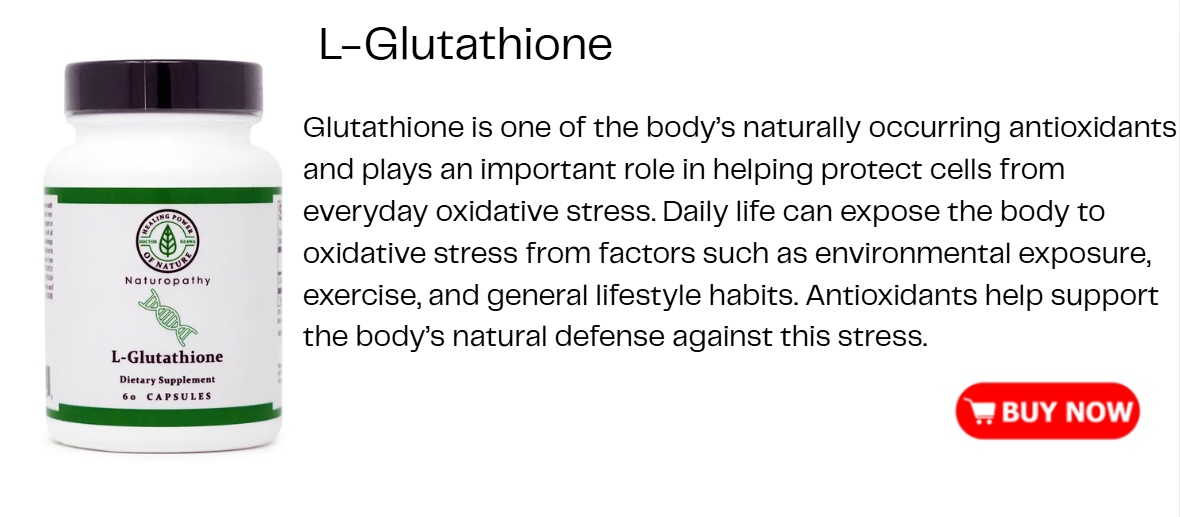
Glutathione is a small molecule your body makes in nearly every cell, built from three amino acids: cysteine, glutamate, and glycine. It’s often called the body’s “master antioxidant” because of the central role it plays in managing oxidative stress and supporting the liver’s natural detoxification pathways. Unlike many antioxidants you get from food, glutathione is mainly produced inside the body itself.
Scientific and clinical interest in glutathione centers on a few areas of everyday wellness:
- Antioxidant defense — it helps neutralize free radicals that can damage cells.
- Skin clarity & tone — its antioxidant activity is associated with skin elasticity and a more even, radiant complexion.
- Energy & detoxification — it supports the liver’s ongoing work of processing and clearing everyday toxins.
- Immune support — it plays a role in healthy immune function.
Why summer, specifically

Summer raises the “oxidative load” on your body in several ways at once: more UV exposure, more heat, often less sleep, and more sweating. That combination is exactly when antioxidant support tends to matter most — and exactly when many people feel the “summer dullness” that sunscreen alone doesn’t address. Caring for your skin from the inside complements what you do on the outside.
Forms matter: why “reduced” glutathione
Not all glutathione is the same. In the body it exists in two states — reduced (active) and oxidized (already used). The reduced form is the active, ready-to-work version. Because absorption of oral glutathione can vary, a clean, reduced-form product — such as the well-known Setria® reduced L-glutathione, taken consistently — is a sensible foundation: it’s the version your body can put to use directly.
How to support your glutathione

- Eat the building blocks — sulfur-rich vegetables (broccoli, cauliflower, garlic, onions) and quality protein supply the amino acids your body uses.
- Protect your sleep — much of this antioxidant work happens during recovery.
- Give it a steady source — a reduced-form glutathione supplement, taken daily, offers a consistent, usable supply.
* These statements have not been evaluated by the Food and Drug Administration. This product is not intended to diagnose, treat, cure, or prevent any disease.