
 US Dollar
Atopic Dermatitis and Food Allergies
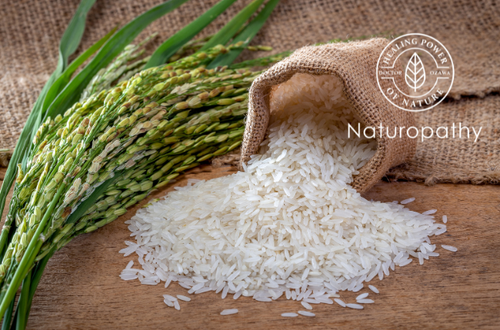
Atopic Dermatitis and Food Allergies
How Rice, Wheat, and Gut Health Influence Skin — And What You Can Do
Certain foods—such as dairy, eggs, peanuts, wheat, soy, and in some cases rice—may worsen atopic dermatitis symptoms. The mechanism involves a combination of immune activation, intestinal barrier dysfunction, and a weakened skin barrier. Some individuals report improvement when shifting from sticky, high-amylopectin rice to higher-amylose rice varieties. No one-size-fits-all elimination diet works; identifying personal allergens plus improving gut health is essential. Dietary choices that support the gut—such as resistant starch—may help reduce systemic inflammation.
The Growing Concern Around Food Allergies
Many people are surprised to hear this:
“Could the rice or wheat you eat every day be contributing to your atopic dermatitis?”
While this does not apply to everyone, research and clinical observations show that food sensitivities and wheat or rice allergies are increasing, especially in individuals with underlying eczema or intestinal permeability issues.
Understanding how foods influence the immune system and skin is the first step toward effective long-term management.
How Food Allergies Connect to Atopic Dermatitis
Food-related triggers vary widely, but several major allergenic foods are known to aggravate eczema symptoms in susceptible individuals:
- Dairy
- Eggs
- Peanuts
- Wheat
- Soy
- Citrus
- Fruits
Additives, preservatives, and ultra-processed foods may also worsen symptoms, particularly in individuals with an impaired skin or gut barrier.
Breast Milk and Infant Atopic Dermatitis
Breast milk remains the best protective factor for infants. However, maternal diet can influence an infant’s symptoms when food proteins pass into breast milk.
In my own family, my eldest son developed atopic dermatitis at three months old. Through a careful elimination diet—and by improving gut health—his symptoms gradually resolved. Even today, highly processed snacks or foods rich in additives still trigger flares, reinforcing the strong connection between nutrition and skin health.
The key lesson: accurately identifying personal allergens is essential for both infants and adults.

Why Food Allergies Can Worsen Skin Symptoms
Multiple biological pathways link food allergies with eczema.
- Immune System Overactivation
When the immune system mistakes a harmless food protein as a threat, it releases histamine and other inflammatory mediators. These circulate throughout the body, eventually affecting the skin. 
- Intestinal Barrier Dysfunction (“Leaky Gut”)
When the intestinal lining becomes permeable, undigested food particles and bacterial toxins may enter the bloodstream, causing: systemic inflammation immune dysregulation increased skin sensitivity For many patients, addressing gut permeability leads to notable improvements.
- Sensitization Through the Skin Barrier
A lesser-known pathway: allergens can enter through broken or inflamed skin. Research shows that when the skin barrier is damaged, food proteins and environmental particles can penetrate the epidermis and trigger sensitization. Later exposure—through eating—can then lead to stronger reactions.
Thus, both the gut barrier and the skin barrier play a combined role in chronic inflammation.
Rice and Wheat: Why Modern Varieties May Affect Sensitivities
Some individuals with eczema report worsening symptoms after consuming rice or wheat, particularly modern varieties.
While not everyone is affected, several mechanisms may help explain this trend.
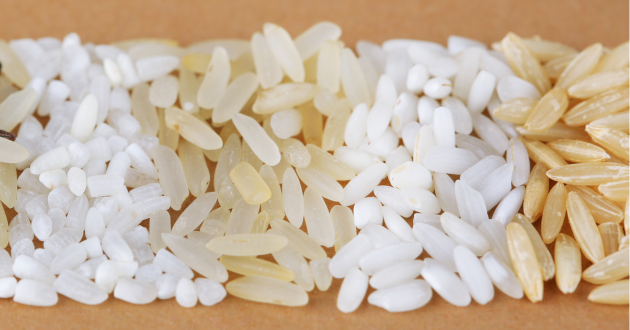
Understanding Amylopectin and Amylose in Rice
Rice starch is composed of two molecules:
Amylopectin
- Creates a sticky, chewy texture
- Digests quickly → rapid blood sugar spikes
- Provides less substrate for beneficial gut bacteria
Amylose
- Produces a lighter, less sticky texture
- Digests more slowly
- Reaches the large intestine and becomes fuel for beneficial bacteria
- When cooled, forms resistant starch, which is linked to gut health benefits
Why Amylose Matters
High-amylose foods can increase the production of short-chain fatty acids, especially butyrate, which:
- Strengthens the intestinal mucosal barrier
- Reduces inflammation
- Supports beneficial bacteria
- Improves blood sugar regulation
Several Japanese studies suggest that individuals with atopic dermatitis showed improvement when switching from sticky rice to higher-amylose varieties. While more international research is needed, the mechanism is biologically plausible due to the gut–skin connection.
Wheat: A Similar Issue
Modern wheat has undergone significant selective breeding. Factors that may contribute to increased sensitivities include:
- Higher gluten content
- Changes in wheat protein structure
- Amylase-trypsin inhibitors (ATIs) that activate innate immune pathways
- Potential shifts in starch composition
Some individuals with non-celiac wheat sensitivity exhibit intestinal cell damage and systemic immune activation, even without celiac disease (Uhde et al., 2016).
Again, not everyone is affected—but for some people with eczema, wheat reduction makes a measurable difference.
Two Essential Dietary Strategies for Managing Atopic Dermatitis
- Identify Personal Allergenic Foods
Because triggers vary dramatically, the most effective approach is:
- targeted elimination
- guided reintroduction or professional allergy testing
A generic elimination diet is rarely effective. Personalization is key.
- Reevaluate Your Staple Foods: Rice and Wheat
For individuals who suspect sensitivity:
- Try switching from sticky rice to high-amylose rice (examples: Sasanishiki, or other “light” non-sticky varieties)
- Reduce refined wheat products and experiment with whole wheat, ancient grains, or gluten-free alternatives
- Use resistant starch intentionally (cold rice, chilled pasta, cooked-and-cooled potatoes)
These small shifts may help improve the gut environment and reduce systemic inflammation.
Summary: Don’t Overlook Hidden Allergens
If your eczema persists despite avoiding common allergens, consider evaluating your daily staples—rice and wheat. For some individuals, simply choosing a different variety of rice or reducing modern wheat can lead to significant improvements in gut health and skin symptoms.
Because responses vary widely, the goal is not total avoidance but informed experimentation and personalization.

References:
Sicherer, S. H., & Sampson, H. A. (2018). Food allergy: A review and update. JACI.
Kubo, A., et al. (2012). External antigen uptake through disrupted epidermal barriers. J Exp Med.
Ikezawa, Z., et al. (1992). Rice allergy and severe atopic dermatitis.
Acta Derm Venereol.
Urisu, A., et al. (1991). Rice protein allergens and cross-reactivity.
Int Arch Allergy Immunol.
Robertson, M. D., et al. (2005). Resistant starch and metabolic benefits. AJCN.
Canani, R. B., et al. (2011). Butyrate and intestinal health. WJG.
Uhde, M., et al. (2016). Immune activation in non-celiac wheat sensitivity. Gut.
*Medical Disclaimer These statements have not been evaluated by the Food and Drug Administration. The information provided in this article is for educational and informational purposes only and is not intended to diagnose, treat, cure, or prevent any disease. It should not be interpreted as medical advice or a substitute for professional consultation with a qualified healthcare provider. Individual responses to foods, supplements, and lifestyle changes vary widely. If you suspect food allergies, digestive issues, or underlying medical conditions, please consult your physician, allergist, or registered healthcare professional before making significant dietary changes or beginning any new health regimen. Never disregard professional medical advice or delay seeking medical care because of information you have read here.
* These statements have not been evaluated by the Food and Drug Administration. This product is not intended to diagnose, treat, cure, or prevent any disease.